

BUILDERS, TRADES & CONSTRUCTION
Winning the work is one kind of capacity. Carrying it is another.
As the volume of work grows, so does everything the business has to carry behind it.
More people. More decisions. More leadership. More coordination. More complexity.
The question becomes:
Can the company keep performing without relying on the same trusted people to hold everything together?
The Art of Strategy works on the organizational capability behind strong performance: the leadership, decisions, ownership, capacity and conditions that allow the business to keep performing as it grows.
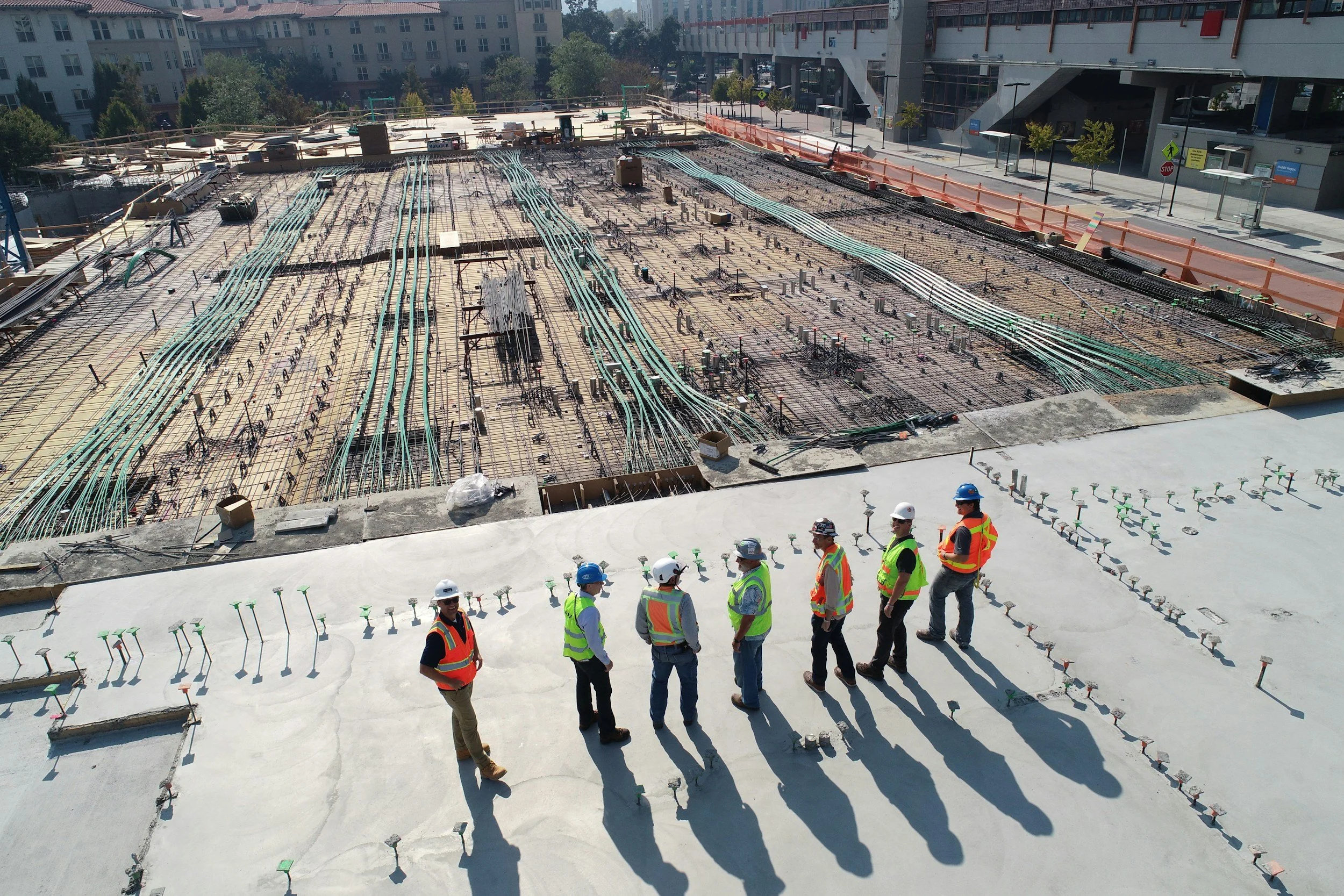
The work may be getting done. The organization can still be under strain.
The backlog may be strong.
Customers and clients are being served.
Crews and teams are delivering.
The business is moving.
And some things may still be taking more leadership effort than they should.
The strongest people keep getting pulled into the hardest work.
Important decisions continue to find their way back to the same trusted leaders.
Some teams can carry far more without senior intervention than others.
People move into larger roles, but previous leaders quietly continue carrying part of the responsibility.
Processes exist, but experience and judgment still determine how well they work in practice.
And as the volume of work grows, so does the leadership, coordination and organizational load behind it.
The company can be successful and still be asking too much of the people who know how to make everything work.
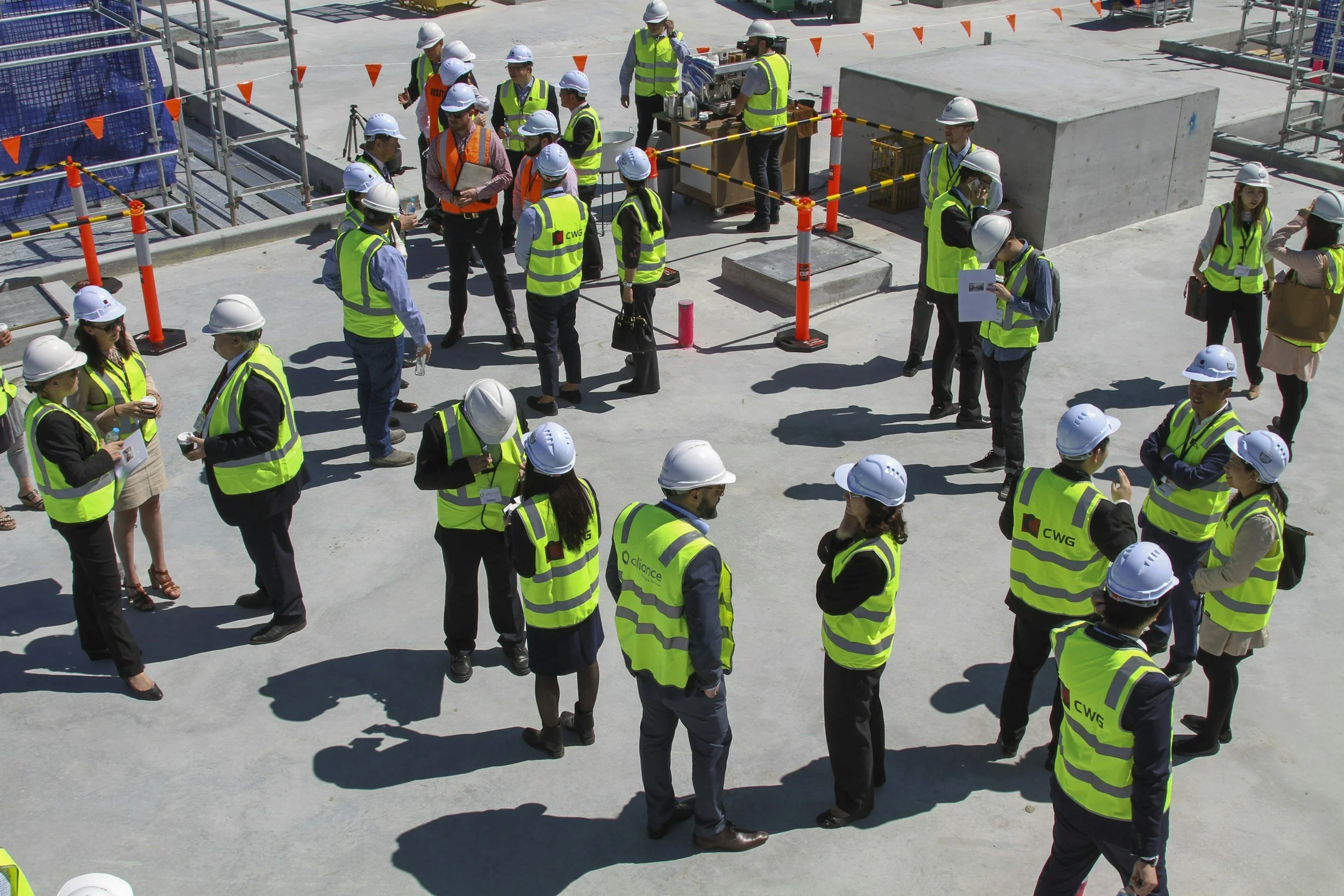
The question is not whether your people can deliver.
It is whether the company can keep producing strong performance without continually relying on the same people to make it happen.
Exceptional people will always matter. They are part of what makes strong businesses strong. But as the company grows, the judgment, authority, leadership and ways of working that make those people effective have to travel further into the organization. Otherwise, growth increases dependence instead of building capacity.
Succession exposes it.
Turnover exposes it.
Promotions expose it.
More work exposes it.
A major new opportunity exposes it.
Changing roles and technology expose it.
Strong results prove the company can perform.
They do not necessarily tell you how repeatable that performance is.
The capability of the company has to extend beyond the capability of its strongest people.
Where is pressure showing up?
-
Every strong business has people everybody trusts.
The experienced estimator.
The operations leader everyone calls.
The project manager who can handle almost anything.
The foreperson everyone wants on the difficult work.
The owner who still knows what decision to make when things get complicated.
The problem begins when too many decisions, relationships, problems and pieces of critical judgment keep finding their way back to those same people.
The same leaders are pulled into everything important.
Senior people stay involved long after responsibility has supposedly moved.
Roles are filled, but someone else is still quietly carrying part of the job.
People escalate because they are unsure whether they have the authority or judgment to move.
Losing one person would create consequences far beyond replacing the position.
Growth keeps adding work to the people who are already carrying the most.
The issue may not simply be succession.
It may be capability concentration.
Judgment, authority, knowledge and leadership confidence have not travelled far enough into the company.
Eventually, the capacity of the business becomes constrained by the capacity of particular people.
-
The company has experienced people.
Processes exist.
Standards exist.
Expectations exist.
And leadership can still make an enormous difference in how smoothly the work gets carried.
One leader makes decisions confidently.
Another escalates.
One creates clarity and accountability around them.
Another requires the organization to compensate.
One team can carry significant responsibility without constant senior involvement.
Another operating inside the same company may require far more intervention.
Two people can technically hold the same role while carrying very different levels of judgment, authority and leadership capability.
The issue may not be whether people understand the technical work.
It may be whether enough of what allows strong leaders to perform has become transferable through the organization.
Strong performance should not disappear every time the people change.
-
Growth adds more than revenue and workload.
It adds more people, decisions, leadership, coordination, handoffs, competing priorities, management attention and organizational risk.
Opportunity may be strong while the leadership team already feels stretched.
Another large contract, another crew, another location, another project or another line of business can affect far more than the people directly doing the work.
The same experienced people may be needed whenever something important grows or changes.
Additional management layers may not create the leverage expected from them.
And the business may be able to win work faster than it can develop the organizational capability required to carry it well.
At some point, the ability to win more work and the ability of the company to absorb more work become two different questions.
More growth should not automatically require proportionately more senior intervention.
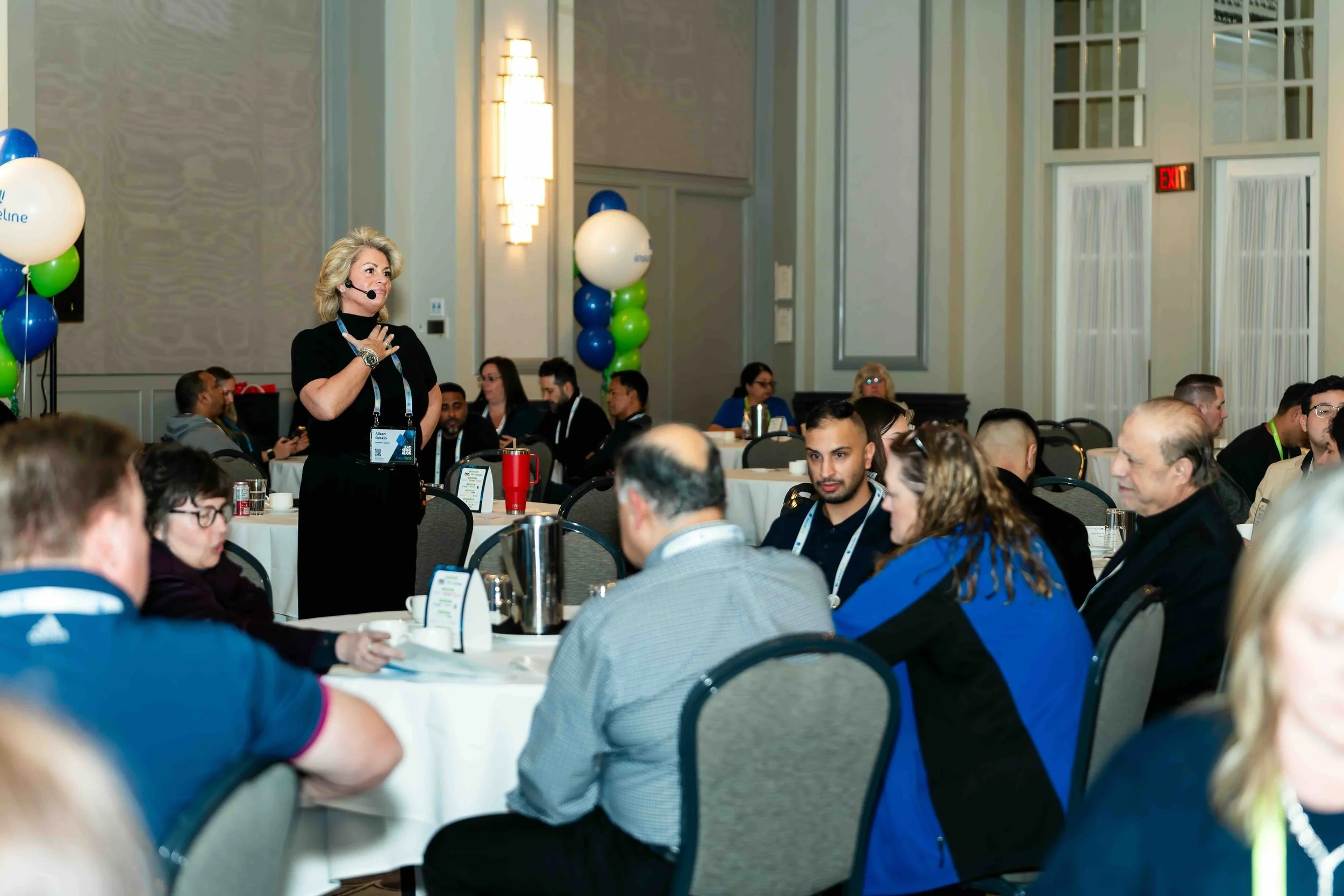
Different pressures. Same underlying question.
What has to become true inside the company for strong performance to keep holding?
What looks like a leadership problem may actually be concentrated authority.
What looks like weak accountability may be unclear ownership.
What looks like succession risk may be judgment that never travelled.
What looks like inconsistent performance may be strong people compensating for organizational gaps.
What looks like a capacity problem may not simply require more people.
And what looks like an execution problem may have started long before the work felt it.
That is why The Art of Strategy does not begin with a leadership program, restructuring exercise or predetermined solution.
We start with what has to work.
Then we look underneath the presenting problem and determine what the company needs to become capable of carrying.
Strategy. People. Performance.
Because problems at this level rarely sit neatly inside one function.

Strong performance becomes easier for the company to repeat.
More leaders can carry consequential work. Decisions happen closer to where they belong. Roles carry real ownership and authority. Critical judgment moves beyond a small number of people. Strong leadership practices travel further through the business.
People know what they can decide and what they truly own. Senior leaders spend less time compensating for gaps around them. Growth creates more organizational capacity instead of proportionately more leadership load. Succession becomes a transfer of capability, not simply a transfer of title.
The company can absorb more without making performance more fragile. This work will always require experienced people solving difficult problems. Exceptional effort will always matter.
The goal is not to remove that.
The goal is to ensure the business does not require heroics simply to make normal performance hold.

The proof is what changed.
When growth outpaced the way the organization worked
A successful growing organization had built strong client relationships and a strong reputation.
As the organization grew, leaders were carrying too much, decisions were becoming inconsistent and informal ways of working had stopped scaling.
The problem was not effort or ambition.
The organization underneath the growth needed to catch up.
The Art of Strategy worked with leadership to move the organization from concentrated dependency toward more scalable operations.
The work focused on:
clarifying how the organization needed to operate
defining ownership
establishing clearer decision rights
reducing unnecessary leadership load
improving visibility into priorities and workload
aligning structure to future growth
What changed:
clearer ownership and accountability
stronger role clarity
more distributed decision-making
better visibility into priorities and workload
less dependence on informal ways of working
an operating roadmap designed for future growth
The organization began building ways of working that could scale alongside its ambition.

We start with what has to work.
The Art of Strategy does not drop a generic program into the company and hope performance improves. We start with the result. Then we determine what could prevent the organization from carrying it.
MAP IT.
See what is actually happening. Where is performance depending too heavily on particular people? Where are decisions, ownership, capacity or leadership becoming the constraint? What has to work differently for the result to hold?BUILD IT.
Build only what the result requires. Leadership. Roles. Decision authority. Ownership. Capacity. Organizational structure. Operating discipline. Capability. No more than the result requires. No less than the company needs.HOLD IT.
Put the work into the real business. Use it. Test it under pressure. Reinforce what needs to become normal.
The goal is not dependence on The Art of Strategy. The goal is greater capability inside the company.
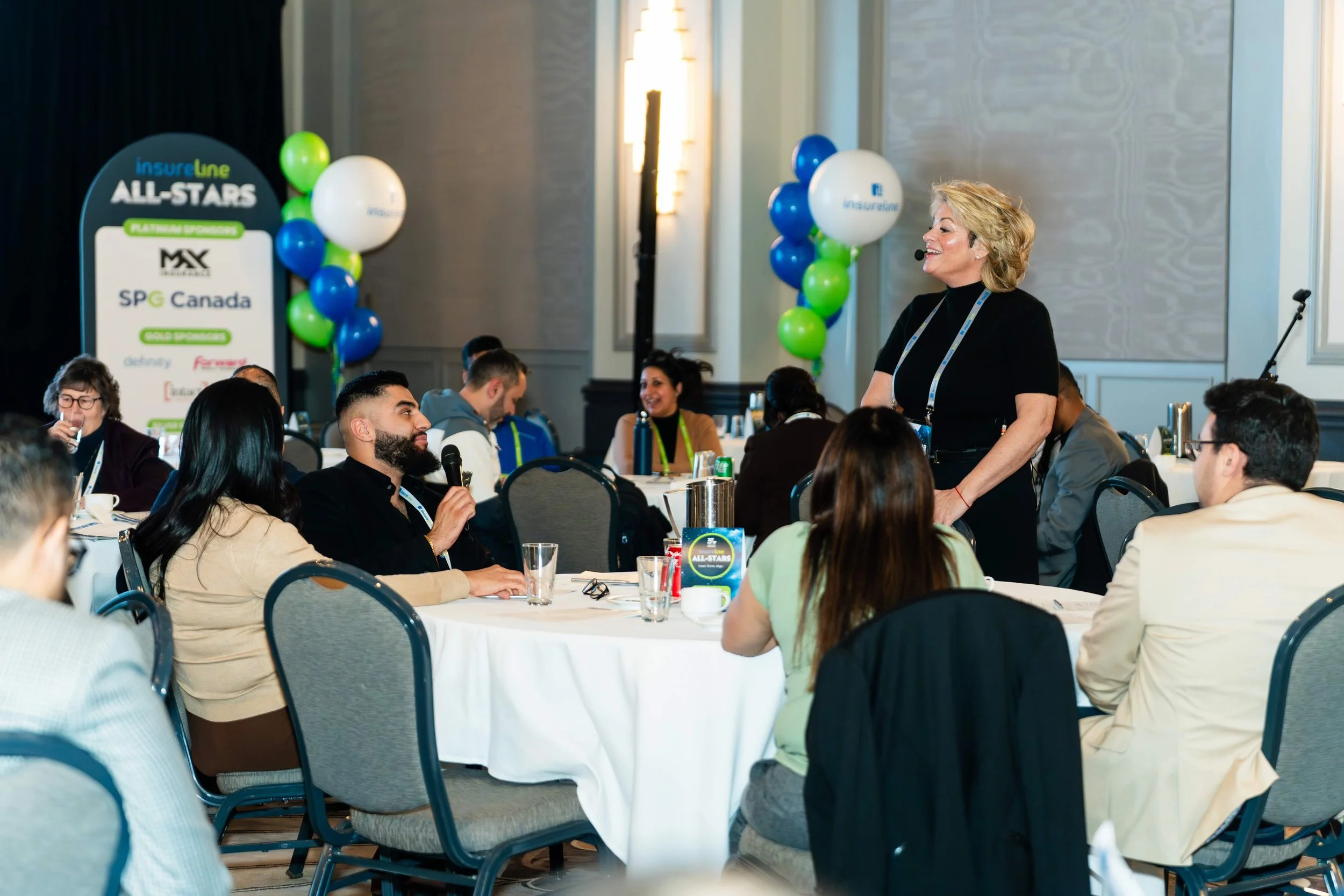
Strategy. People. Performance. Together.
Performance does not live only in the work being delivered.
Growth can expose leadership.
Succession can expose organizational dependency.
Technology can expose role and capability gaps.
More work can expose capacity that appeared sufficient at a smaller scale.
The Art of Strategy sees the system behind the performance problem and builds what the result requires.
What is getting harder for the company to carry as the work grows?
If growth, succession or increasing workload is putting more pressure on the same leaders, decisions or organizational capacity, start there.
We will look underneath the pressure and determine what needs to change for the company to carry more.