

CLIENT STORY
Before Change Begins: Building the Conditions for Transformation Success
Industry: Financial Services
Engagement: Enterprise Workforce & Change Readiness
▶ The Moment
Transformation often begins with a future-state vision.
But organizations rarely pause to ask a more important question:
Is the organization ready to absorb what comes next?
Large-scale change doesn't fail because strategy is flawed.
It fails when organizations move faster than their people, systems, and leaders can sustain.
For one national organization embarking on significant transformation, the challenge wasn't designing the future.
It was determining whether the enterprise was ready to responsibly enter it. The readiness phase was explicitly designed to validate workforce stability, leadership readiness, organizational absorption capacity, and operational fragility before Discovery advanced.
▶ Alison’s Insight
At The Art of Strategy, we believe:
The highest risk isn't resistance.
It's advancing transformation faster than workforce readiness allows.
Transformation readiness is not a single workstream.
It is an enterprise condition.
Because organizations don't just implement change.
They absorb it.
And when the capacity to absorb change is exceeded, even good strategies struggle.
This principle became foundational to the work.
▶ How We Helped
The Art of Strategy designed and led an enterprise readiness approach focused on understanding the conditions required before broader transformation could responsibly proceed.
The work assessed six critical dimensions:
operational readiness
organizational absorption
workforce and leadership stability
people systems maturity
stabilization requirements
organizational risks.
Importantly, the mandate was clear:
This phase was not future-state design.
It was readiness validation.
▶ What Made It Different
The approach intentionally shifted the conversation from:
Not This:
redesign the organization
create future-state structures
launch transformation
Instead:
validate readiness
surface fragility
identify gating conditions
assess change capacity
sequence responsibly.
This distinction matters.
Because:
Readiness must precede activation, not follow it.
▶ What Changed
The work created:
✓ Enterprise visibility into workforce and leadership risks
✓ Clear readiness conditions for future phases
✓ Cross-functional alignment on organizational capacity
✓ Greater understanding of change absorption limits
✓ Structured readiness intelligence to support decision-making.
Most importantly:
Transformation moved from ambition toward responsible sequencing.
▶ Proof of Impacts
The readiness work surfaced several critical enterprise themes, including:
leadership ownership
workforce identity shifts
organizational absorption risk
sequencing discipline.
The resulting framework helped leaders answer:
Where is the organization stable?
Where is it fragile?
What conditions must be true before moving forward?
This transformed readiness from intuition into evidence-based decision-making.
▶ Why It Matters
Organizations often invest heavily in designing the future.
Far fewer invest in determining whether they are ready to carry it.
Readiness does not slow transformation.
It protects it.
Because sustainable transformation is not built on speed alone.
It is built on capacity.
▶ Final Insight
Most organizations think they are redesigning strategy.
In reality, they are redesigning themselves.
The organizations that succeed are not necessarily those that move first.
They are the ones that understand what must be true before movement begins.
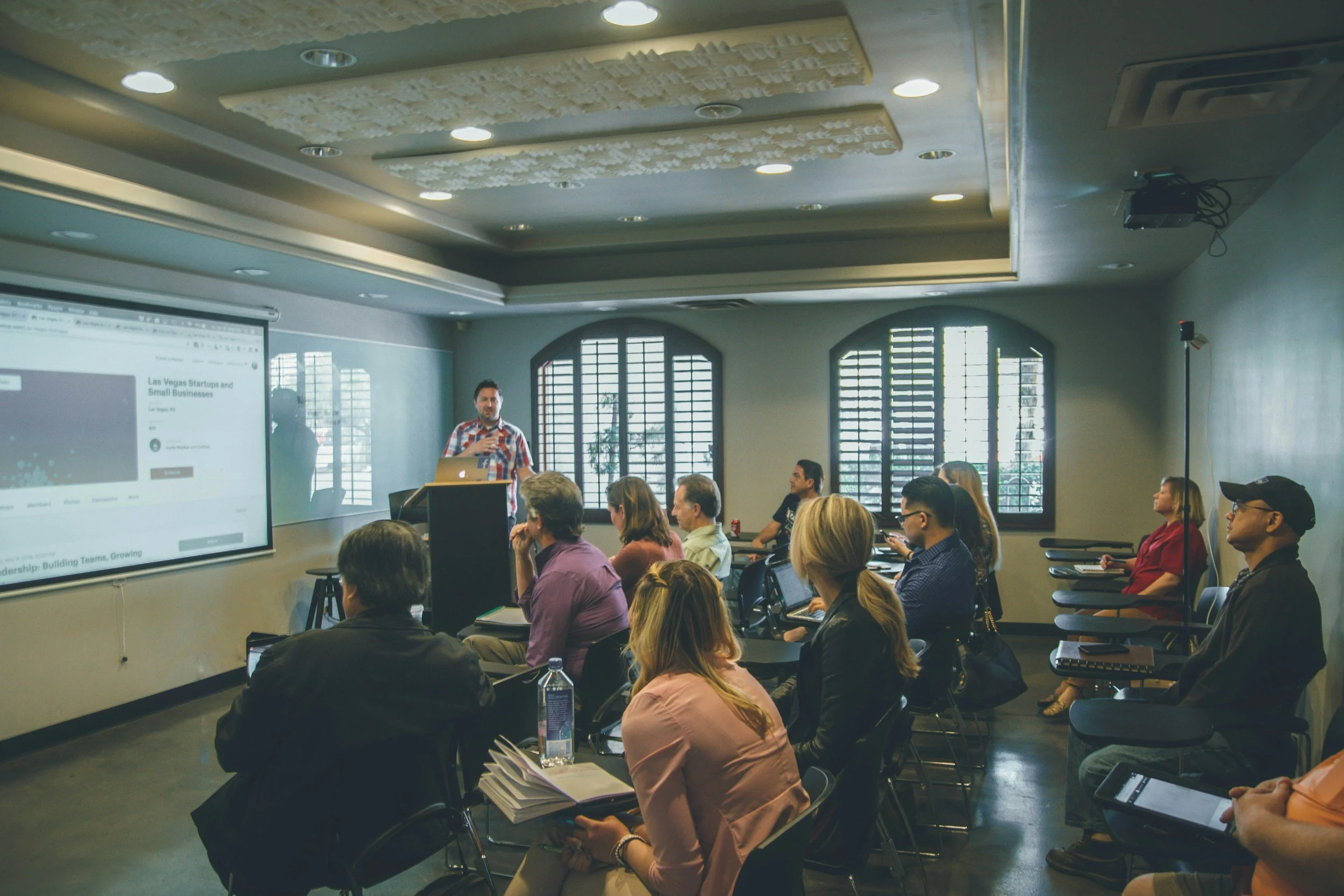
Before launching transformation, understand whether your organization is ready to absorb it.
Let's assess the conditions that make change sustainable.