

CLIENT STORY
From Sponsorship to Ownership: Building Enterprise Operating Discipline in a National Financial Services Organization
Industry: Financial Services — Insurance Distribution
Engagement: Leadership Team Offsite — Enterprise Operating Model Design
▶ The Moment
Most enterprises do not have a strategy problem. They have an operating problem. Work moves through informal pathways. Sponsorship is loose. Decisions drift upward. Strong people carry what the system should hold.
This Leadership Table had already done the strategic work. A set of enterprise priorities had been named and approved. Readiness work was underway. The direction was clear.
What was not yet clear was how the work would actually move. Sponsorship had been assigned, but the word meant something different to everyone at the table. Decision rights were assumed, not tested. Work was completing through personal relationships and individual follow-up, not enterprise discipline. Strong leaders were compensating for a system that had never been deliberately designed.
▶ Alison’s Insight
The challenge was never willingness or effort. The challenge was how work moves, who owns it, who decides, and how change is carried through to sustainment.
Effort cannot fix a design problem.
▶ How We Helped
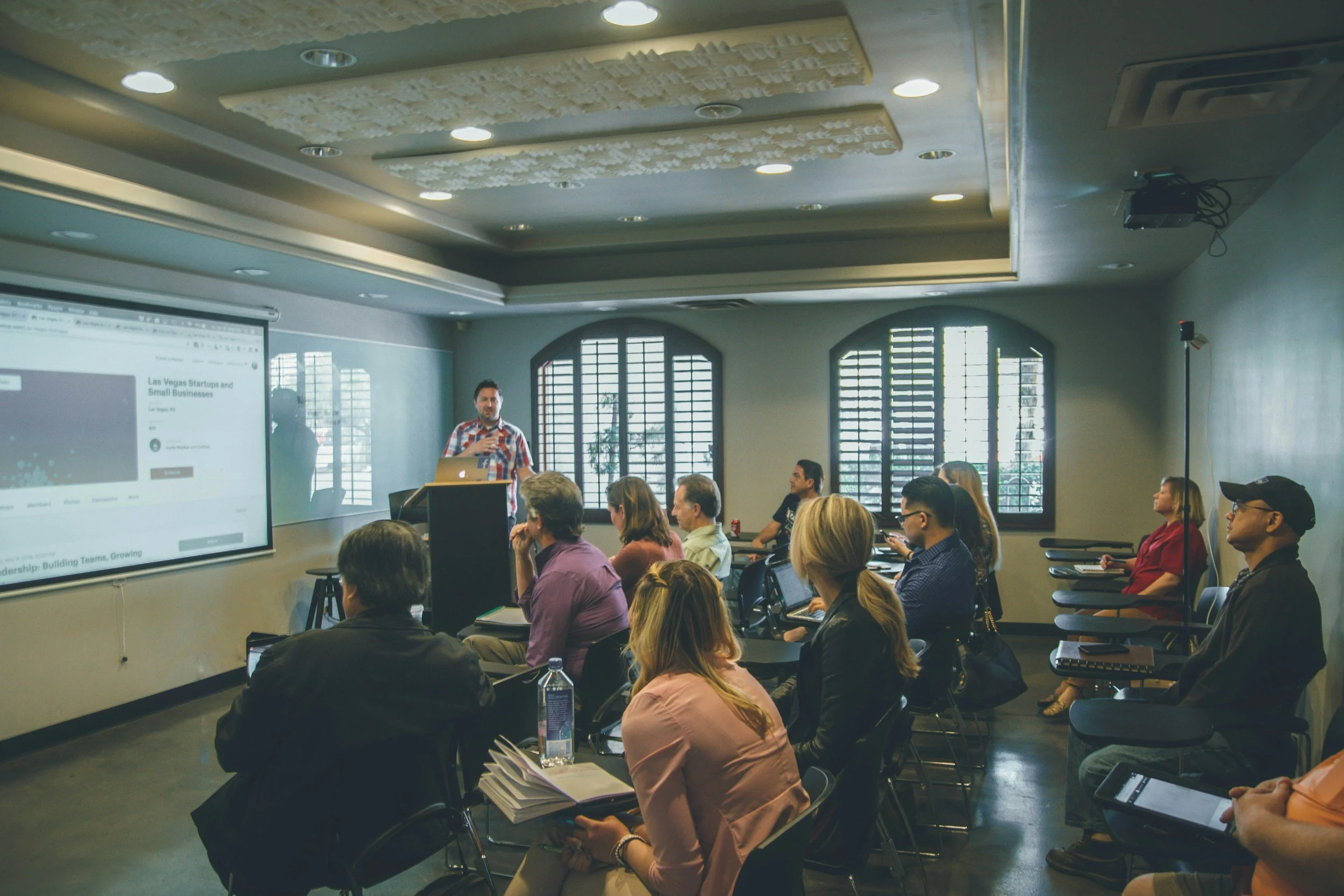
Over 1.5 days, TAOS facilitated the Leadership Table through the enterprise operating decisions required to reduce friction and create cleaner movement, not as a planning exercise, but as a working session where real decisions were made in the room.
The session was structured around five outcomes:
Name the leadership standard, defining what aligned, disciplined, delivery-focused leadership looks like at this table
Replace loose sponsorship with a cleaner execution model, designing and naming the hub-and-spoke structure that would govern major enterprise work
Test the model against live enterprise priorities, running active initiatives through the new model so owners and accountabilities were named in the room, not later
Make practical decisions on operating rhythm and capacity, reducing reporting load, redesigning the Ops Review, mandating cut lists
Create the bridge to July, ensuring the next session would confirm decisions already made, not discover problems not yet named
▶ What Made It Different
The Leadership Table left with a new operating standard: aligned, disciplined, delivery-focused, and end-to-end. The old mindset of quietly accepting drift was named and rejected outright.
Operating friction was reduced immediately. Reporting load was cut. A key operating review was redesigned. Communication ownership was assigned. The session also built a fully structured bridge into the next phase of work, so the following session could confirm decisions already made rather than discover what should have been decided the first time.
▶ Why It Matters
The gap between a strategy that has been approved and a strategy that is actually moving is where most organizations get stuck. This engagement did not add more strategy. It designed the conditions for the strategy already in place to move.
That shift, from a discovery session to a confirmation session, is the most measurable output of the work.
▶ Final Insight
Your system is producing exactly what it was designed to produce. If the outcome is wrong, the design is wrong.
When strategy looks sound but the same structural problems keep resurfacing, the issue usually isn't effort. It's design.
Let's find out what's been quietly stuck, and fix it.